

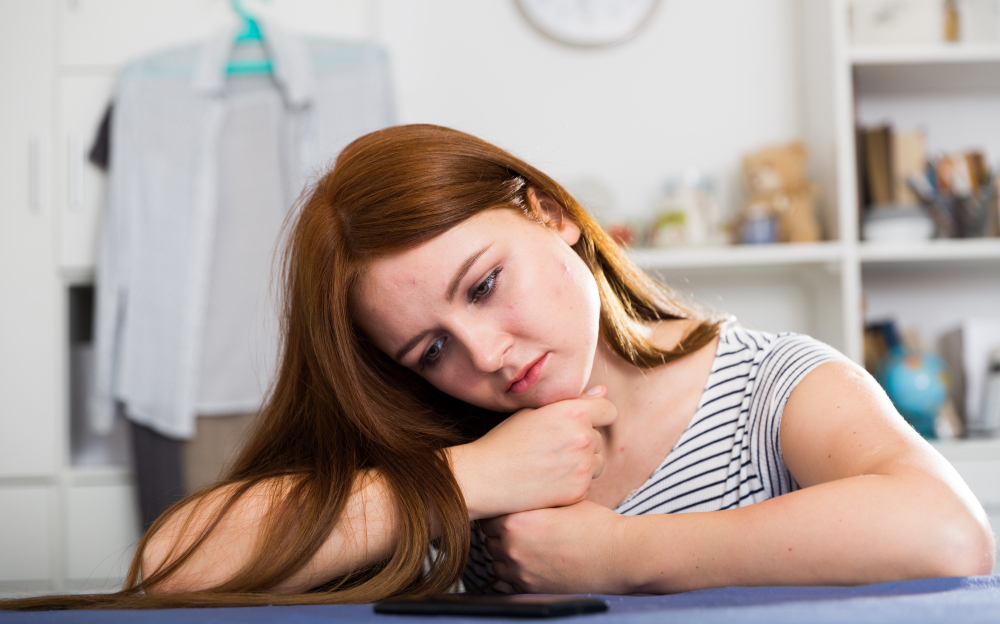
If you are in your mid-40s and you body feels out of control, you’re not imagining things. Perimenopause is often described as a “second puberty.” The unpredictable shifts in hormone levels cause major physical and emotional changes, much like the hormonal roller coaster of puberty. Everything from mood swings and sleep disruptions to weight changes and cycle changes can turn your daily life into a series of unexpected challenges.
Understanding the surprising parallels between perimenopause and puberty can make this stage feel less scary and much more manageable. At The Wellness Restoration Services, we are experts in women’s health solutions, including bio-identical hormone replacement in Bronx, NY. Let’s talk about perimenopause and why it feels like being 13 again.
Just like puberty, perimenopause is driven by shifting hormone levels. During this stage, estrogen and progesterone no longer follow the predictable monthly pattern your body has relied on for decades. Instead, these hormones fluctuate dramatically from one month to the next.
Some months you may ovulate normally, while other months you may not ovulate at all. These hormonal swings are responsible for many of the physical and emotional symptoms women experience during perimenopause.
Remember how emotions could change quickly during your teenage years? Perimenopause can bring back that same unpredictability.
Schedule your appointment with Dr. Marcia A. Harris, MD today to find out more about these life-changing modalities. Don’t let ED rule your LIFE! Call for an appointment today!
BOOK AN APPOINTMENTMany women notice increased irritability, anxiety, sadness, or emotional sensitivity. Small frustrations may suddenly feel overwhelming, and you may find yourself crying more easily or feeling impatient without knowing why.
One of the biggest complaints during perimenopause is poor sleep. Night sweats, hot flashes, anxiety, and hormonal fluctuations often make it difficult to fall asleep or stay asleep. Unfortunately, lack of sleep can intensify other symptoms such as mood swings, fatigue, difficulty concentrating, and low energy. Improving sleep habits and speaking with your healthcare provider about treatment options can make a huge difference.
During puberty, menstrual cycles were irregular as the body learned to regulate hormones. Perimenopause follows a similar pattern. Periods may become heavier, lighter, shorter, longer, closer together, or farther apart. Some women skip months entirely before menstruation eventually stops. Although irregular cycles are common, unusually heavy bleeding or bleeding after menopause should always be evaluated by a healthcare professional.
Many women are surprised when acne returns in their 40s. As estrogen declines and androgen levels become more noticeable, oil production may increase, leading to breakouts similar to those experienced during adolescence. At the same time, skin may become drier and lose elasticity as collagen production naturally decreases.
Maintaining a healthy weight becomes more challenging during perimenopause. Hormonal changes, a slowing metabolism, age-related muscle loss, and sleep disturbances all contribute to weight gain, particularly around the abdomen. Regular exercise, strength training, balanced nutrition, and adequate sleep become increasingly important during this stage of life.
Difficulty concentrating, forgetting words, misplacing everyday items, or feeling mentally "foggy" are common complaints during perimenopause. While these symptoms can be frustrating, they are temporary and improve after hormone levels stabilize following menopause. Staying mentally active, managing stress, and getting enough sleep can help reduce brain fog.
It is normal not to feel like yourself during menopause. While it can be disruptive, there are safe and effective ways to manage and treat symptoms. You don’t have to figure it out alone. The Wellness Restoration Services is here to help. Our team can work with you to recommend treatment options to help ease the symptoms of perimenopause. Our physicians are always here to support you and answer any questions you may have.

Most men don’t like to talk about it, but erectile…

Are you experiencing loss of muscle mass and gaining belly…
Bioidentical hormone replacement therapy (BHRT) in Bronx, NY is…
If you’re going through menopause and getting good quality sleep…
If you are in your mid-40s and you body feels…
In this collection of heartfelt testimonials, patients of The Wellness Restoration Center share their personal stories of transformation and healing.